Development | Podcast Interviews
Sam Bompas–Bompas and Parr
Sam Bompas’ emphasis on design development being informed by wider aspects of culture and different disciplines encouraged me to think more broadly about visual languages which could be created to communicate animal rights messages.
It’s really important to absorb lots of information from different culture and media and then you synthesise it in your sleep. I view sleep as an active working process, although quite often the stuff you come up with is total rubbish, but it can be a useful time in which to fabricate new ideas.
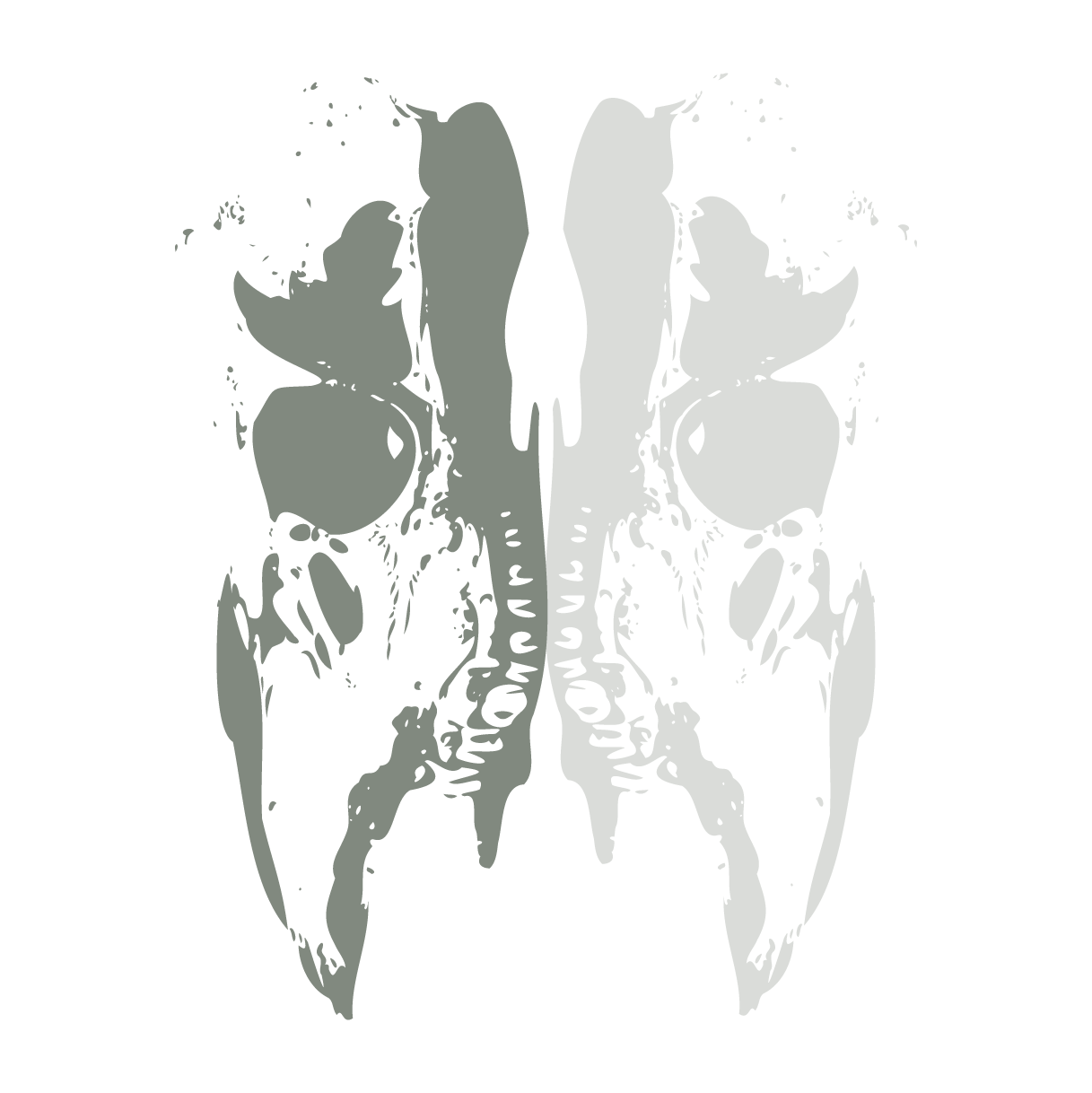
For me, music and film became a strong source of inspiration. In particular the ethereal, transcendental quality of Sigur Ros and Jonsi’s music and music videos conjured a variety of complex emotions and moods which resonated strongly with my feeling towards animals and the topic of animal rights. In addition to Icelandic and English lyrics, Sigur Ros coined the term Vonlenska (English: Hopelandic) to refer to non-linguistic vocalisations to express unique meanings. This use of the human voice as a lyrical instrument independent from formalised language creates an otherworldly, ambiguous and primitive experience for the listener.
As their music is largely inspired by nature and the Scandinavian landscape, the vocal expressions are likened to mythical creatures or animal calls such as wolf howls. The thematic connection between nature and animals inspired me to experiment with still imagery and film inspired by emotive concepts including yearning for nature, transcendence and intangibility. These themes also enabled me to explore the notion of the hidden and the unseen, which can be applied to the veiled realities of factory farming and other industrial animal use.
How has production, risk, failure and your own personal ambition affected the outcome?
Christoph Miller – Offshore
“Of course, personal projects always involve the danger of not moving forward at all because
you just try one thing after the other instead of deciding for one design direction, for
example, and going forward with that. You try one and another one and another one and
you’re never satisfied and never satisfied and then at the end you are just frustrated and
you don’t have any energy left in the tank, and you cancel the whole project, which is a
really bad thing to happen I guess. But we feel, as long as we keep working in a healthy way,
we feel okay with trying out a lot of stuff because we, I would say, we bear in mind the
quote by Samuel Beckett, “Ever tried. Ever failed. No matter. Try again. Fail again. Fail
better.” So, the more you try and invest, the better your project usually gets. You’ll just have
to keep hanging in there and trying to get the best out of it”
Design Indaba (2016) Erik Kessels on the Power of Failure.
Erik Kessels’ lecture regarding the ‘creative endeavour for perfection’ spoke to my weaknesses during this self-directed project, namely including decision paralysis and fear of the ‘blank page’. In an effort to embrace mistakes and use confusion and failure as creative assets to inform a developed project, I decided to be more dynamic and freer in my technical and conceptual approach towards my chosen subject and explore design solutions which reflected my fine art background.
Particularly Kessels’ idea ‘when nobody hates it, nobody loves it’ inspired me to embrace more controversial visual languages appropriate to the subject matter which I was hesitant about in the earlier design stages due the considerations of an ‘angry readership’ discussed by S. Heller (1999) .
http://www.ethicalgraphicdesign.co.uk/index.html
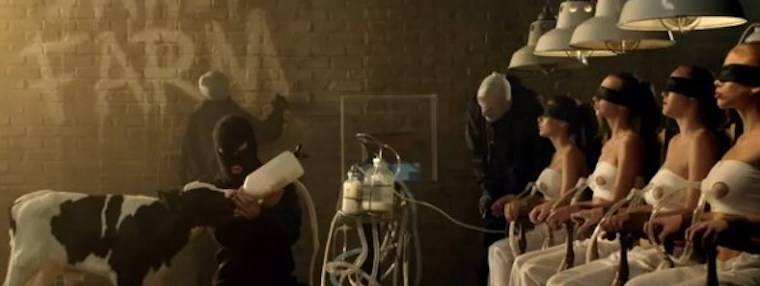

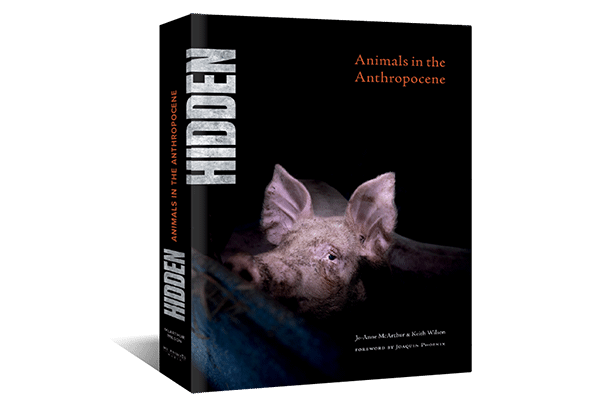
We Animals Media 2020 [Book Sleeve Design]
Hidden, (We Animals Media, 2020) visually confronts the distressing realities of industrial animal use across multiple global industries through a collection of uncensored photography curated by international activists. The book sleeve design is driven by the concept of ‘hidden’ being the absence of knowledge, however the promotional video adopts a more revealing approach with a melancholic mood. This inspired me to implement a more painterly approach, using graphic features such as typography and texture to emphasise a sense of concealment and ambiguity to reflect the theme of the unseen. I also felt that a sense of distortion could also convey political messages regarding the senselessness of animal use in a contemporary context.
‘The Future of Veganism and Inclusivity in the Movement with Sean O’callaghan:
Sean O’callaghan highlights the significance of linguistics in the evolution of the vegan movement, considering emergent subcultures of ethical, environmental and public health motivated veganism. He identifies that conversation surrounding contemporary veganism is largely dominated by environmental and health issues, arguing that the term’s original meaning has been highjacked or distorted. For example, he recognised that the term ‘plant-based’ has given people licence to distance or remove the discussion of animal rights away from veganism, which originally describes a philosophical, ethical position regarding the commodification of animals and practice of avoiding harm to other beings within what is possible and practical.
As environmental issues are increasingly publicised, design is adapting to the need for social change from desire driven consumerism to environmental responsibility and ethical consciousness. Despite growth in ecologically conscious consumer behaviour, the issue of veganism and plant-based living remains somewhat controversial and is bypassed in many environmental campaigns. Having critically explored publishing practices of ‘self-censorship’ (Heller) where controversial stories are avoided in fear of an ‘angry readership’, this inspired me to approach the projects aims to challenging traditional perceptions through a specific animal rights perspective, balancing expression and censorship with a required sensitivity to the specified audience.
Critical Reflection
One main themes which arose when discussing my project was language and feminism in animal rights. Feminism examines the moral rights of reproductive and bodily autonomy within animal industries and has interesting links with language through concepts of ‘rape’ etc. However with regards to my original question I didn’t want a feminist approach to dilute the existential emphasis of speciesism which encompasses all sentient life. Therefore I decided to look at how design can be used to highlight the concept of speciesism and its effects on over consumption which perpetuates a cycle of moral and environmental problems.
Fine Art Approach: Having a background in Fine Art I’d like to look at how visual styles can be used to create meaning which resonates these issues and how design can contextualise politically motivated artwork, inspired largely by Robbie Conal’s guerilla campaigns.
References
Figure 1. Jonsi. 2021. Obsidian (Full Album Stream). . Youtube [online]. Available at: https://www.youtube.com/watch?v=nU8BOqP91sI [accessed Dec 2021].
Figure 2-3. Sigur Ros. 2021. Tónandi Liminal (Full Album Stream). . Youtube [online]. Available at: https://www.youtube.com/watch?v=LeW53nKDLw8 [accessed Dec 2021].
Figure 3. We Animals Media (Animals in the Anthropecene). 2020. Hidden. [Book]. We Animals Media [online]. Available at: https://weanimalsmedia.org/2020/05/04/announcing-hidden-animals-in-the-anthropocene/ [accessed Dec 2021].
Figure 3. We Animals Media (Animals in the Anthropecene). 2020. Hidden. [Promo video]. We Animals Media [online]. Available at: https://weanimalsmedia.org/2020/05/04/announcing-hidden-animals-in-the-anthropocene/ [accessed Dec 2021].
Sean O’callaghan [Interviewed]. 2021. ‘#55The Future of Veganism and Inclusivity in the Movement with Sean O’callaghan: The Fat Gay Vegan’. The Viva! Vegan Podcast.
[Podcast]. Spotify
Visual Research
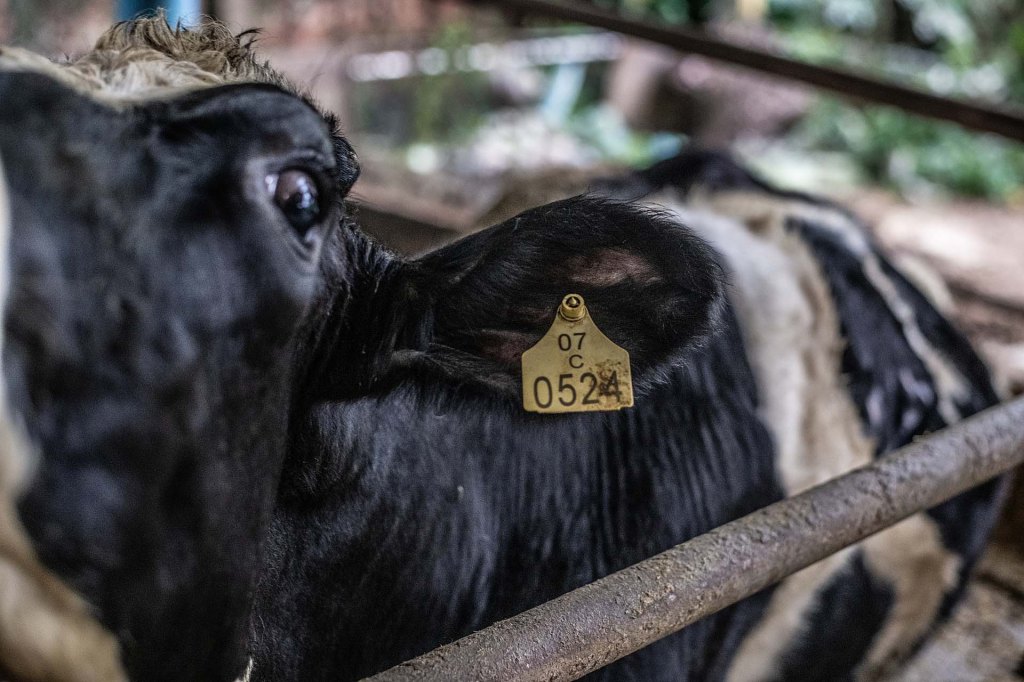
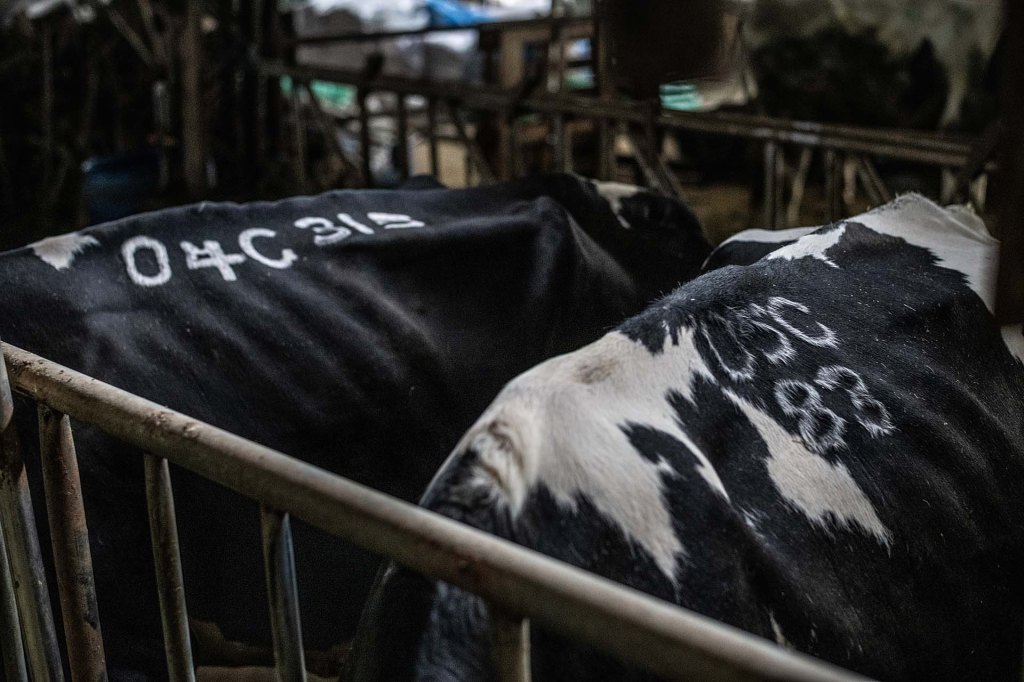
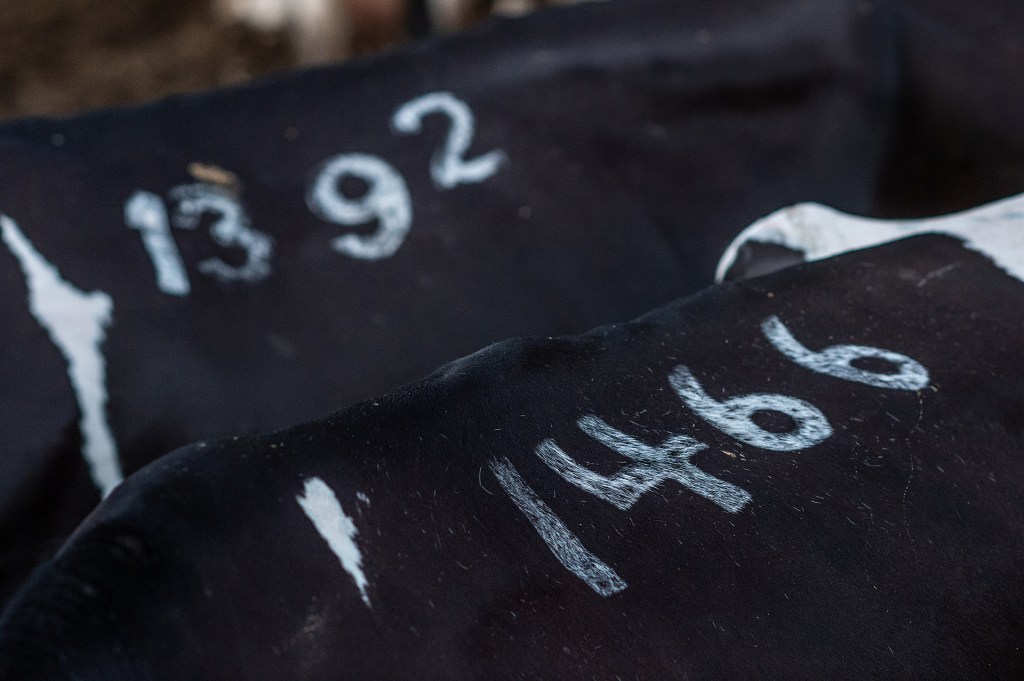
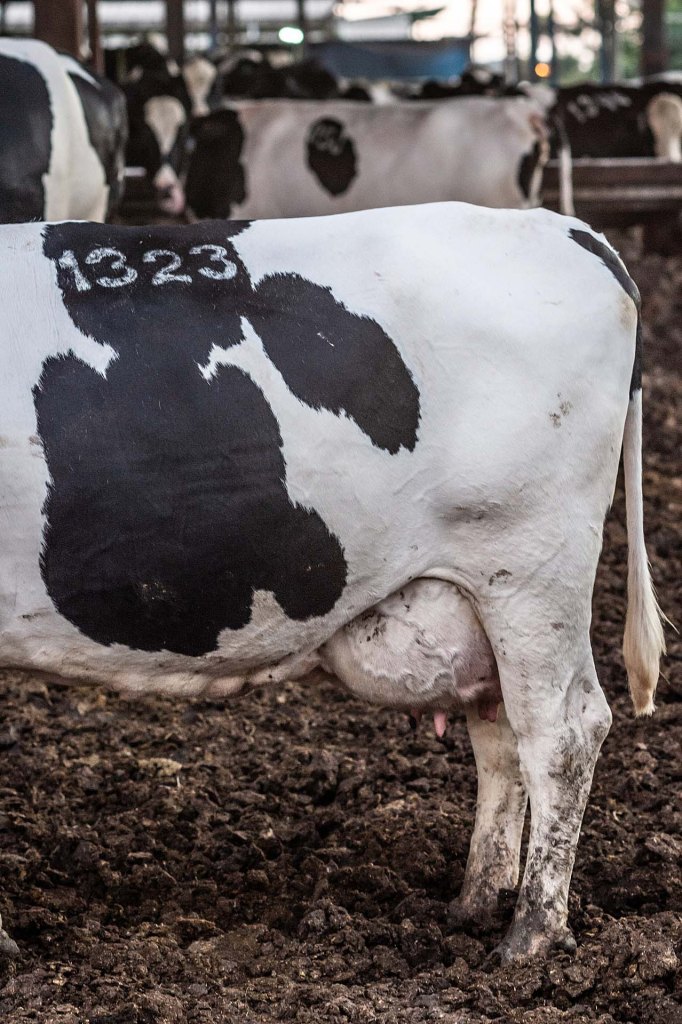
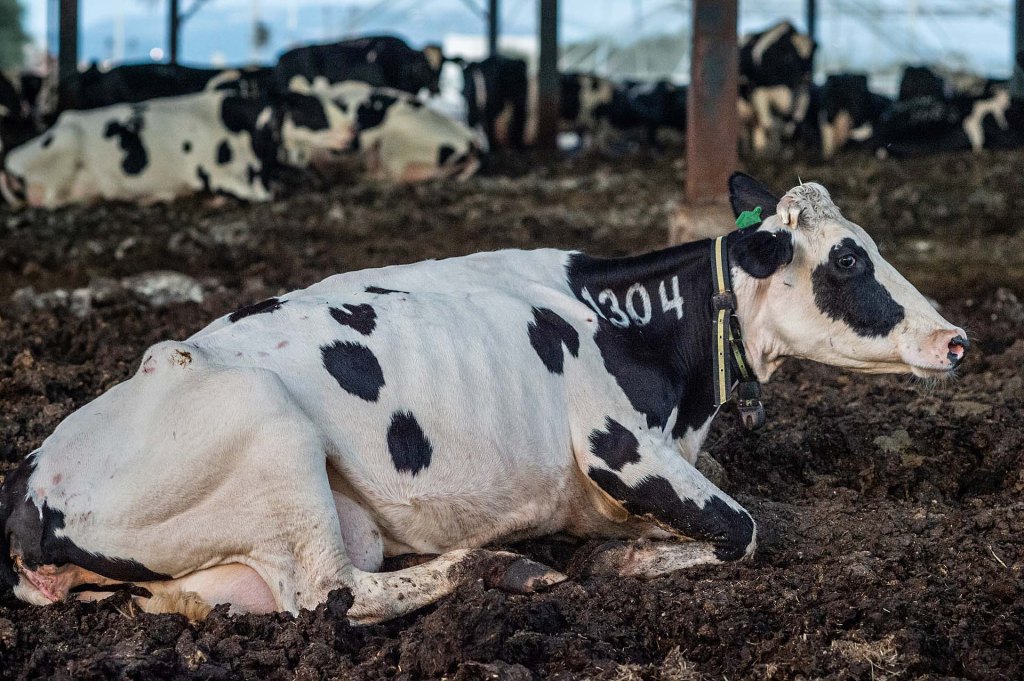
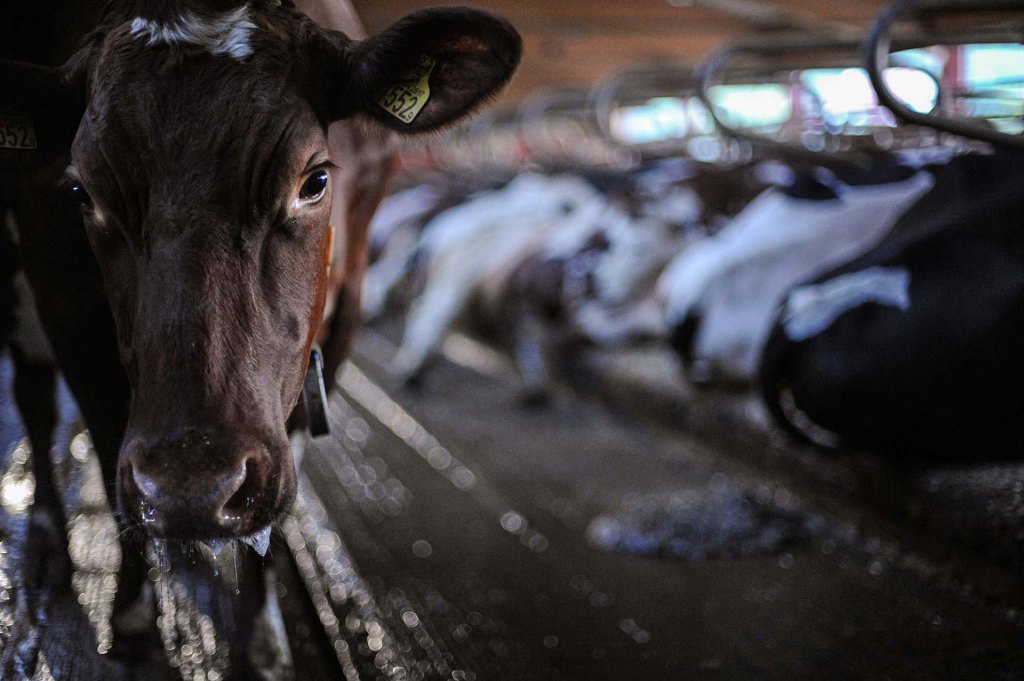
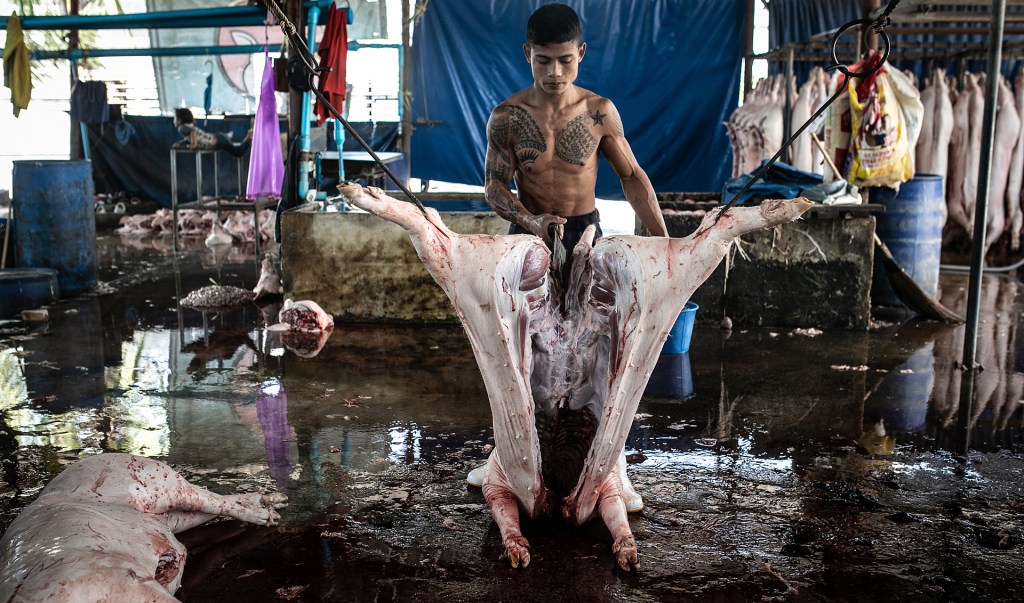
Considering the topic of language and terminology within contemporary animal rights, when looking for visual resources for my outcome it occurred to me that animals are perceived through of numerical and symbolic systems which exist visually as an emphatic way of objectifying them for industrial use.









 CATHY DAVIES